
Revive Your Furniture: Eco-Friendly Restoration Tips
Furniture restoration is not just a trend; it's a sustainable choice that can breathe new life into your home while reducing waste. With the increasing awareness of environmental issues, many people are looking for ways to make eco-friendly choices in their everyday lives. Restoring old furniture is a fantastic way to achieve this, allowing you to create unique pieces that reflect your style while minimizing your carbon footprint. In this blog post, we will explore practical, eco-friendly tips for restoring your furniture, ensuring that your efforts contribute positively to the environment.
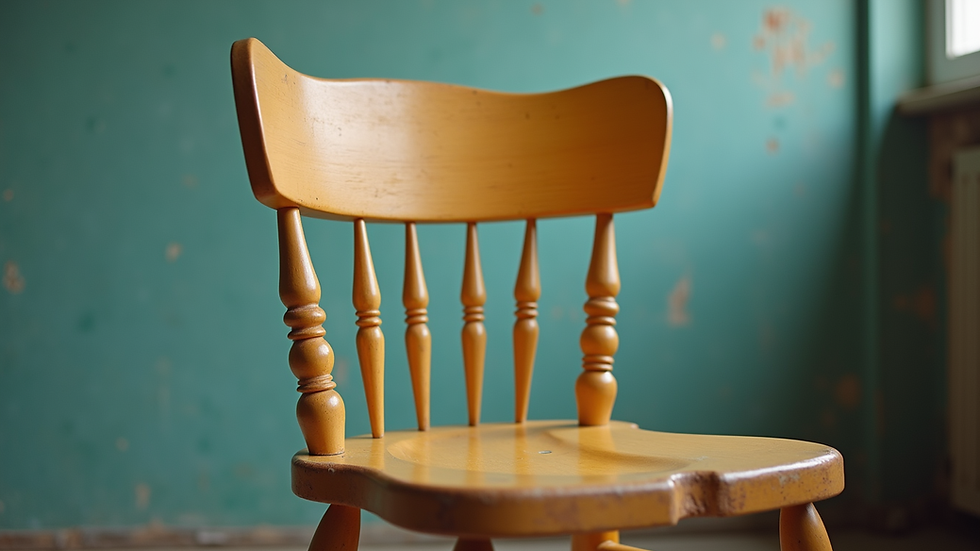
Understanding the Benefits of Furniture Restoration
Before diving into the restoration process, it's essential to understand why restoring furniture is beneficial. Here are some key advantages:
Environmental Impact: By restoring furniture, you reduce the demand for new products, which often involve resource-intensive manufacturing processes. This helps conserve natural resources and reduces landfill waste.
Cost-Effective: Purchasing new furniture can be expensive. Restoring what you already have can save you money while allowing you to create a personalized piece.
Unique Style: Restored furniture often has character and history that new items lack. You can customize the look to fit your home decor perfectly.
Skill Development: Engaging in furniture restoration can be a rewarding hobby that helps you develop new skills, from woodworking to painting.
Assessing Your Furniture
Before you start the restoration process, it's crucial to assess the condition of your furniture. Here are some steps to guide you:
Inspect for Damage: Look for any structural issues, such as loose joints or broken parts. Make a note of what needs repair.
Check the Finish: Determine whether the existing finish is salvageable or if it needs to be stripped away. This will influence your restoration approach.
Identify Materials: Understanding the materials used in your furniture will help you choose the right restoration techniques and products.
Consider the Style: Think about how you want the finished piece to look. Do you want to maintain its original style, or are you looking for a modern twist?
Eco-Friendly Restoration Techniques
Now that you have assessed your furniture, it's time to dive into the restoration process. Here are some eco-friendly techniques to consider:
Stripping and Sanding
If your furniture has an old finish that needs to be removed, consider using eco-friendly strippers. Look for products that are biodegradable and free from harsh chemicals. After stripping, use sandpaper to smooth out the surface. Opt for sandpaper made from recycled materials to minimize your environmental impact.
Repairing Structural Issues
For any structural repairs, use non-toxic wood glue and clamps to fix loose joints. If you need to replace any parts, consider sourcing reclaimed wood or materials from local suppliers to reduce your carbon footprint.
Painting and Finishing
When it comes to painting or finishing your furniture, choose eco-friendly paints and finishes. Look for water-based options that are low in volatile organic compounds (VOCs). These products are less harmful to both your health and the environment.
Natural Oils: Consider using natural oils like linseed or tung oil for a protective finish. They enhance the wood's natural beauty while being environmentally friendly.
Milk Paint: This is a non-toxic, biodegradable paint made from natural ingredients. It provides a unique, matte finish that is perfect for vintage furniture.
Upholstery Restoration
If your furniture has upholstery, consider reupholstering it with eco-friendly fabrics. Look for materials made from organic cotton, linen, or recycled fibers. Additionally, you can use natural dyes to color your fabrics, ensuring that your restoration remains eco-conscious.
Creative Ideas for Restoration
Restoration doesn't have to be a straightforward process. Here are some creative ideas to inspire your project:
Mix and Match: Combine different styles or colors to create a unique piece. For example, paint the legs of a table a bold color while keeping the top natural wood.
Decoupage: Use eco-friendly paper or fabric to decoupage surfaces, adding a personal touch to your furniture.
Stenciling: Create patterns or designs using stencils and eco-friendly paint. This can add a modern flair to vintage pieces.
Repurposing: Consider repurposing furniture for a new function. For instance, an old dresser can become a stylish TV stand or a bookshelf.
Maintenance Tips for Restored Furniture
Once you've completed your restoration project, it's essential to maintain your furniture to ensure its longevity. Here are some tips:
Regular Cleaning: Use a damp cloth to clean surfaces and avoid harsh chemicals that can damage the finish.
Avoid Direct Sunlight: Keep your restored furniture out of direct sunlight to prevent fading and damage.
Use Coasters: Protect surfaces from water rings and heat damage by using coasters under drinks and hot items.
Reapply Finish: Depending on the finish used, you may need to reapply oils or wax periodically to maintain the protective layer.
Conclusion
Restoring furniture is not only a rewarding endeavor but also a sustainable choice that benefits the environment. By following these eco-friendly restoration tips, you can breathe new life into your old pieces while minimizing waste. Remember to assess your furniture carefully, choose the right materials, and maintain your restored items to ensure they last for years to come.
Take the plunge into furniture restoration and enjoy the satisfaction of creating something beautiful and unique while making a positive impact on the planet. Start your journey today and transform your space with your own eco-friendly creations!
Comments